Article
Finance’s headcount model works for finance, but not for recruiting or the business
TL;DR
You built a workforce planning model in your planning system (Anaplan, Adaptive, or Pigment). The forecasting works, and the variance reports are clean. Six months in, business leaders still don’t understand it, so they require decks and spreadsheets to simplify the view for them. Recruiting maintains yet another version that doesn’t flow back to your model. The problem is structural: a system that works well for finance doesn’t work as well for recruiting or the business. Business leaders are the end customers of every cross-functional planning tool. When the system works for FP&A’s forecasting purposes but misses the mark for the business, it stays a finance tool with cross-functional aspirations at best.
The pride and the blind spot
You know this one. The headcount model that finally pulls together all the assumptions from the business and the HR team. Proper variance reporting. Scenario planning for org changes that clearly shows the cost impact. The board deck pulls from the system, not from the spreadsheet someone updates the night before.
From Finance’s perspective, it’s working fine.
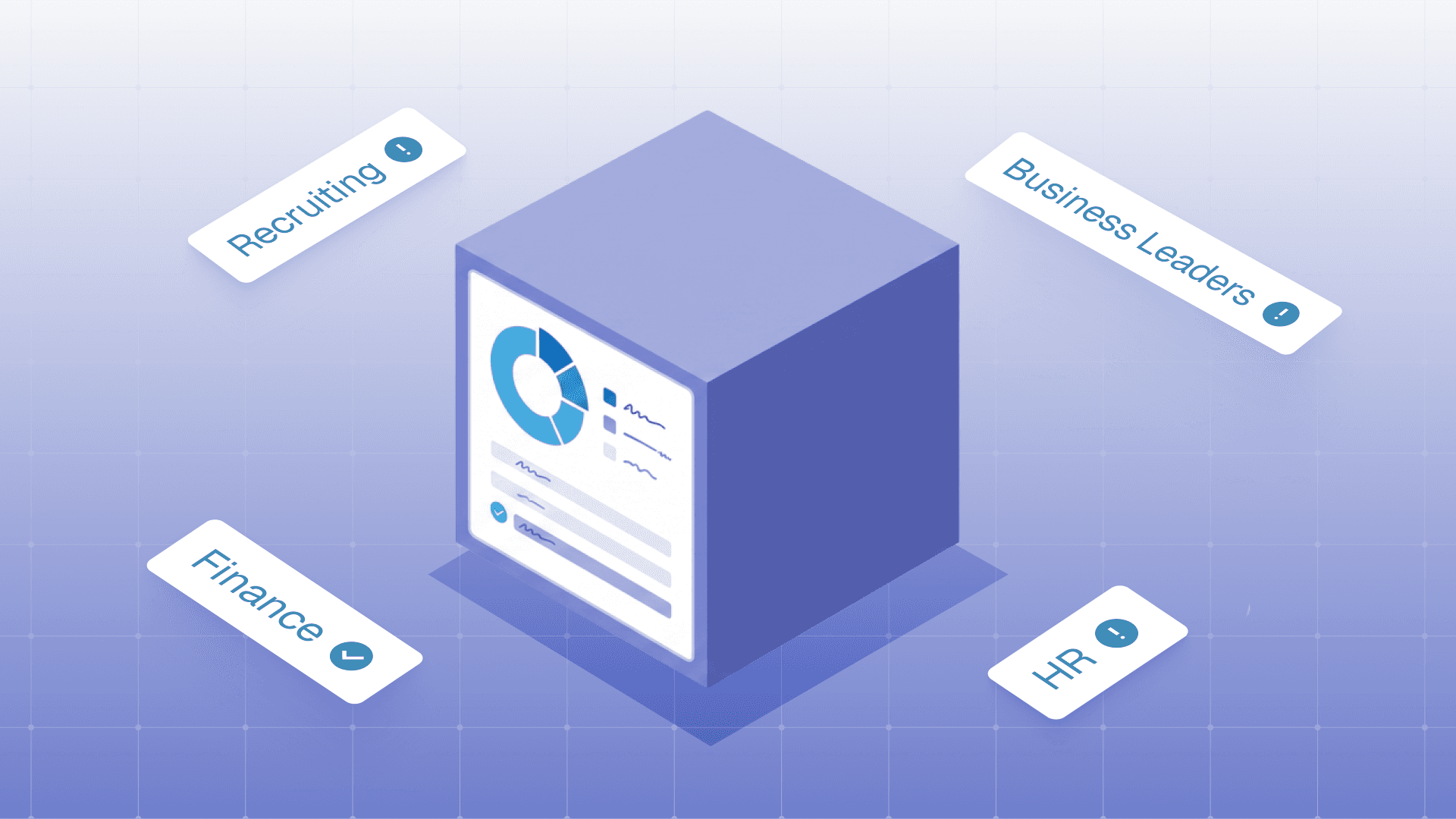
Here’s what you can’t see from inside the finance view: the questions the other stakeholders need answered. Finance cares about when people start, in dollars. Recruiting cares about hitting hiring targets and managing req loads. Business leaders care about whether the right people will be in their seats to achieve their ambitious roadmap. HR cares about the org structure that the plan implies.
The same plan looks different to each team, and the finance-built tool only answers one of those personas’ questions.
What happens at the six-month mark
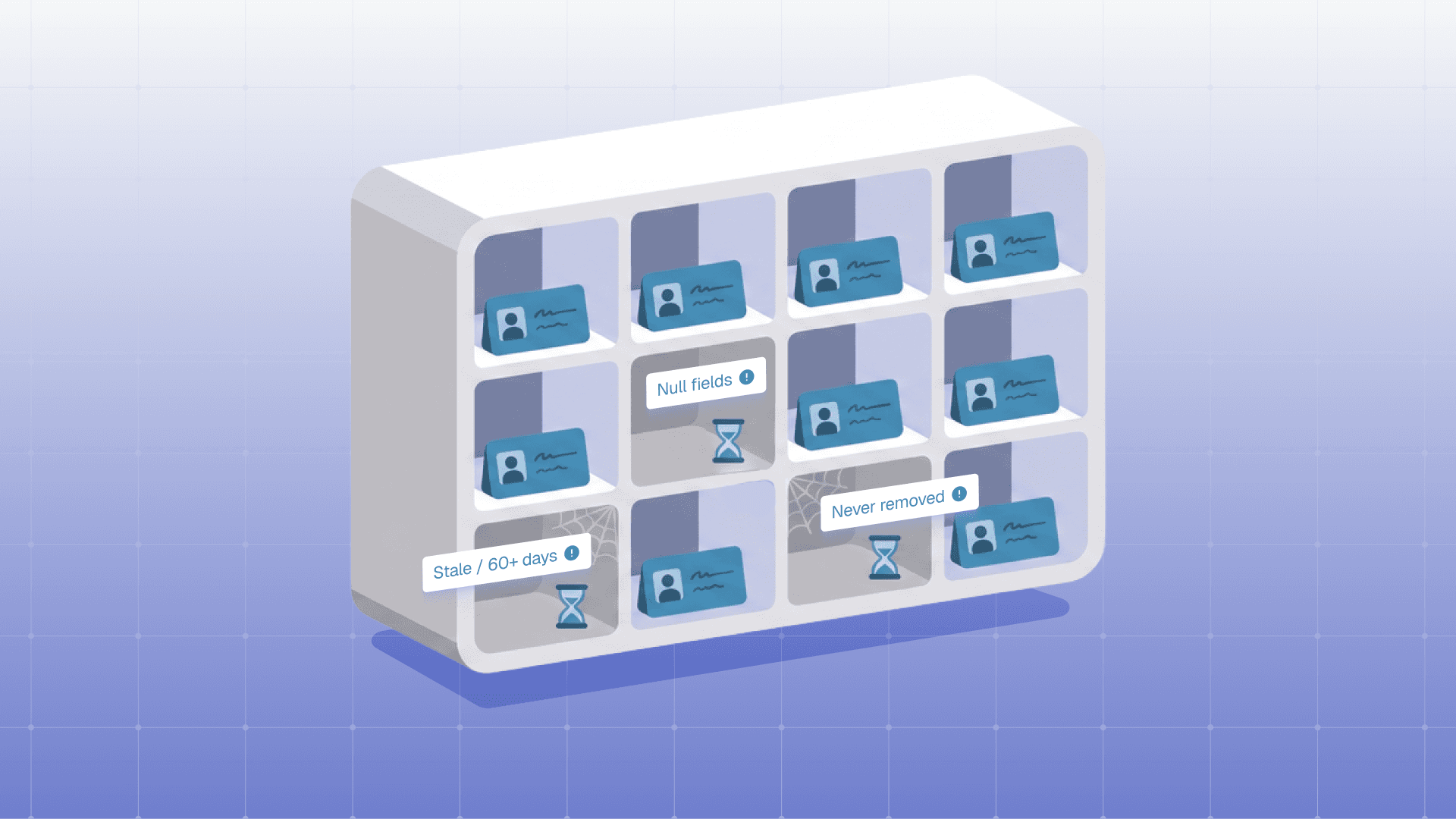
Recruiting can see the data, but they can’t make it work for their use case. They’ve gone back to their own spreadsheet. Now there are two systems that disagree.
The changes the recruiting team makes in their spreadsheet don’t make it back to the finance model, leading to monthly reconciliation cycles that cost dozens of hours. When a leader wants to uplevel a role mid-process, finance needs to get looped back in, and the conversation happens outside the system, in Slack or email, invisible to both data models.
The business leader who should trust the data is the first to lose confidence. They ask, “Are we on track for the launch?” and neither system gives a clean answer because neither system has the full picture.
The structural reason
The tool was built from a finance perspective, and the cross-functional use cases were never fully fleshed out.
Other teams are reluctant to make changes in the finance system, so they take it “offline.” Recruiting makes their own version to track offer accepts rather than starts so that they can plan for recruiting capacity. The business, with its ops teams and chiefs of staff, makes yet another version to tag headcount to product areas or sales segments to make resource allocation decisions.
Building for everyone requires a product perspective that spans all three perspectives simultaneously. Finance cares about the budget. Recruiting cares about hiring goals and capacity. Business leaders care about whether the plan produces the team they need for the outcome they’re accountable for. Each team’s questions are legitimate. The system that only answers one team’s questions produces one team’s buy-in.
What the cross-functional fix actually looks like
Not a finance tool with recruiting fields bolted on. A common view that answers the questions for every stakeholder at once:
Finance can understand the budget implications: variance, cost, scenario planning at the dollar level.
Recruiting can prioritize roles and plan capacity: which reqs are open, which are blocked, where the pipeline is thin, and how to allocate recruiter bandwidth.
Business leaders can confirm that the highest-priority initiatives are being resourced: who is in the seat, who is in the pipeline, what’s at risk.
HR can advise on org structure and planning: reporting lines, levels, the org shape the plan implies.
Same underlying data. Four views, each answering the question that the persona actually asks. When changes happen in any view, they propagate to the others. No reconciliation required because the data was never forked in the first place.
That’s what we built at Caro. Bidirectional integrations to the planning system, HRIS, and ATS ensure all three are in lockstep. The finance model and the recruiting workflow are the same system, surfaced differently. When a business leader approves an uplevel, finance sees the budget impact immediately. When recruiting makes a hire, finance sees the variance in real time.
FAQ
Is this really about the tool, or is it about getting buy-in from other teams?
Both, and they’re connected. A tool built for one team’s view structurally cannot get buy-in from other teams because it doesn’t answer their questions. The buy-in problem and the architecture problem are the same problem. Fix the architecture, and the buy-in follows because the system is actually useful to everyone.
What about the sunk cost in the finance-built system?
The forecasting work wasn’t wasted. The cost modeling, scenario planning, and variance logic you built are real. What’s missing is the cross-functional layer that connects finance’s model to recruiting’s workflow and the business leader’s view. You don’t have to throw away the finance discipline; you need a system that extends it to the rest of the org without requiring the rest of the org to think like finance.
Why can’t we just add an integration to our existing model?
The problem isn’t just an integration problem; it’s a process problem. A one-way read from the ATS provides visibility into hiring progress, but doesn’t update the ATS when the plan changes. A headcount system that works cross-functionally needs to handle the workflows around a constantly changing plan. That’s a different architectural bet than layering an API on top of a finance model.